Balancing Hormones Naturally: Nutrition Tips for Women in Peri/Menopause

As women transition through peri/menopause, hormonal fluctuations can lead to a variety of symptoms like hot flashes, mood swings, and weight gain. While these changes are a natural part of aging, balancing your hormones naturally through nutrition can help alleviate symptoms and promote overall well-being. Here are some practical nutrition tips to help you navigate this transition smoothly.
1. Incorporate Phytoestrogens
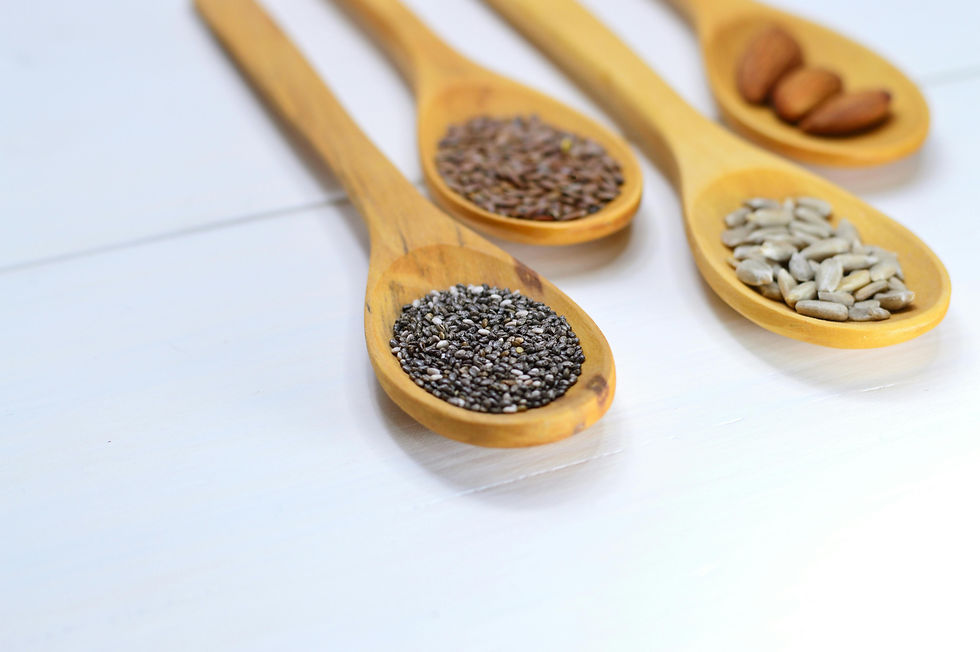
Phytoestrogens are plant compounds that mimic estrogen in the body and can help balance hormone levels. Foods rich in phytoestrogens include:
Flaxseeds: Add to smoothies, yoghurt, or oatmeal.
Soy products: Tofu, tempeh, and edamame are great options.
Legumes: Chickpeas, lentils, and beans.
2. Focus on Healthy Fats
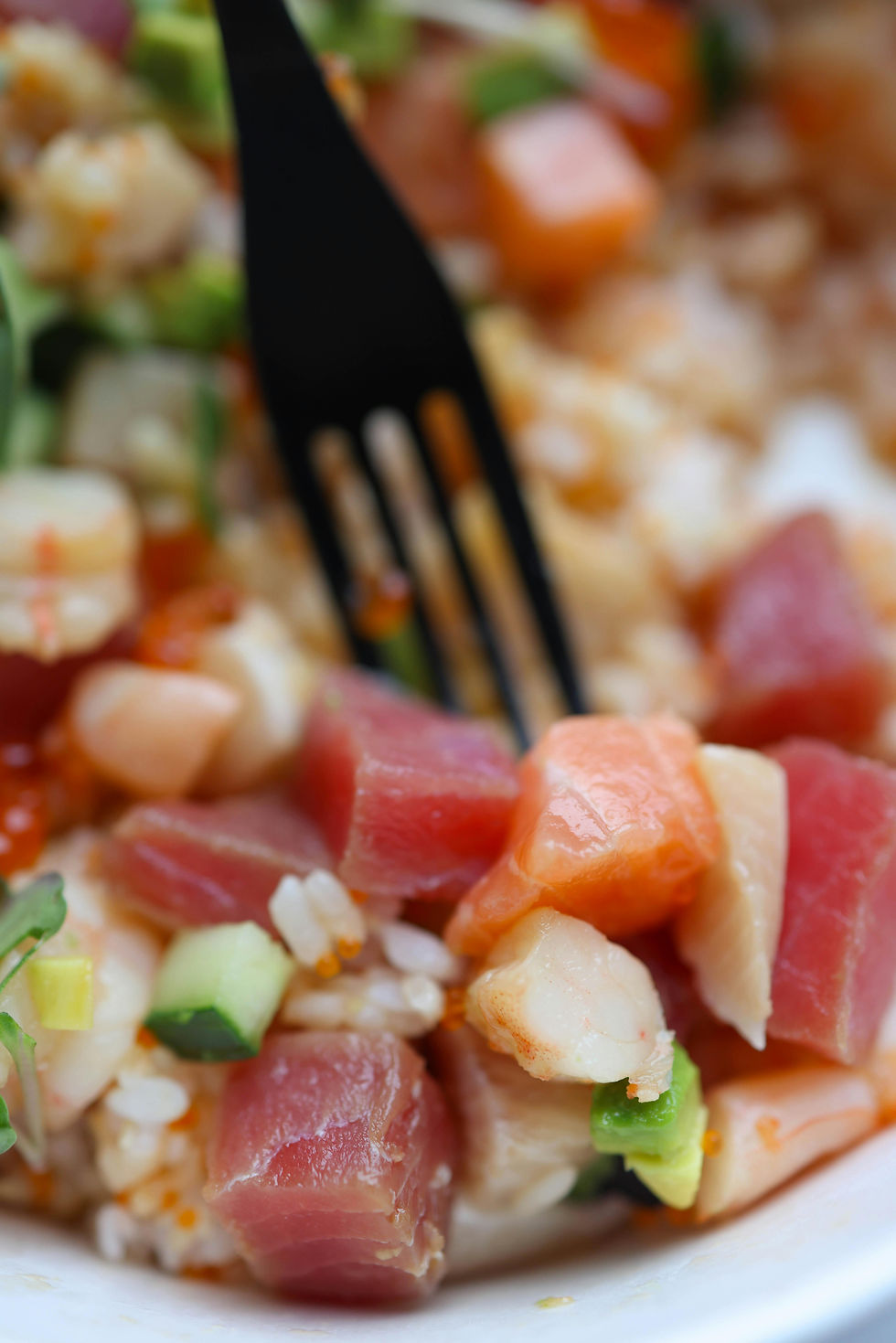
Healthy fats are essential for hormone production and overall health. Include sources of omega-3 fatty acids, which have anti-inflammatory properties and support brain health:
Fatty fish: Salmon, mackerel, and sardines.
Chia seeds and flaxseeds: Sprinkle on salads or blend into smoothies.
Nuts and seeds: Almonds, walnuts, and pumpkin seeds.
3. Eat a Rainbow of Fruits and Vegetables
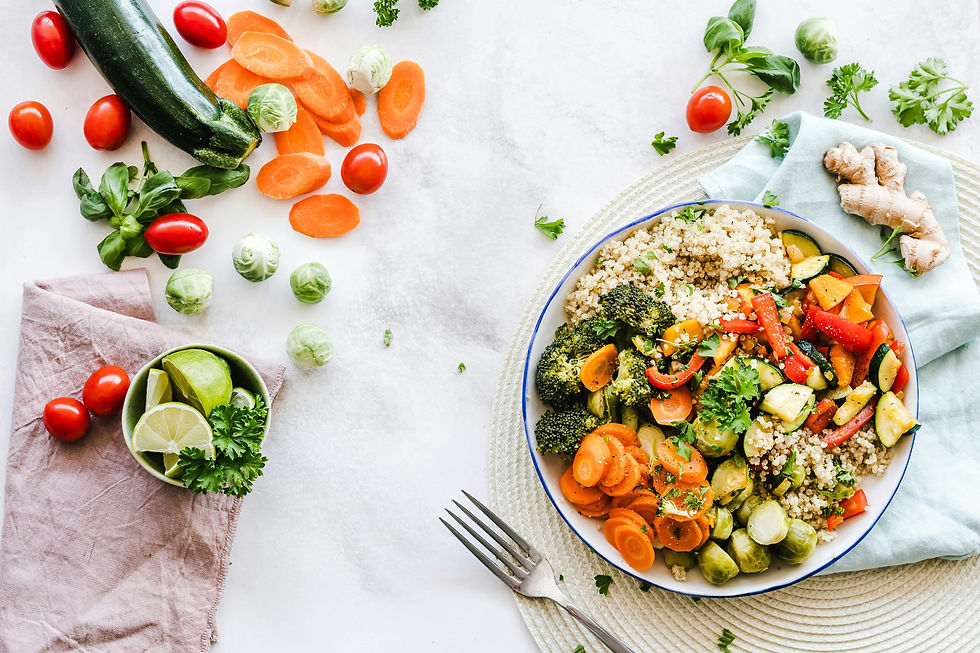
A diverse diet rich in colourful fruits and vegetables ensures you get a wide range of vitamins, minerals, and antioxidants. These nutrients support hormone health and overall vitality. Aim to include:
Leafy greens: Spinach, kale, and Swiss chard.
Berries: Blueberries, raspberries, and strawberries.
Cruciferous vegetables: Broccoli, cauliflower, and Brussels sprouts.
4. Prioritize Protein
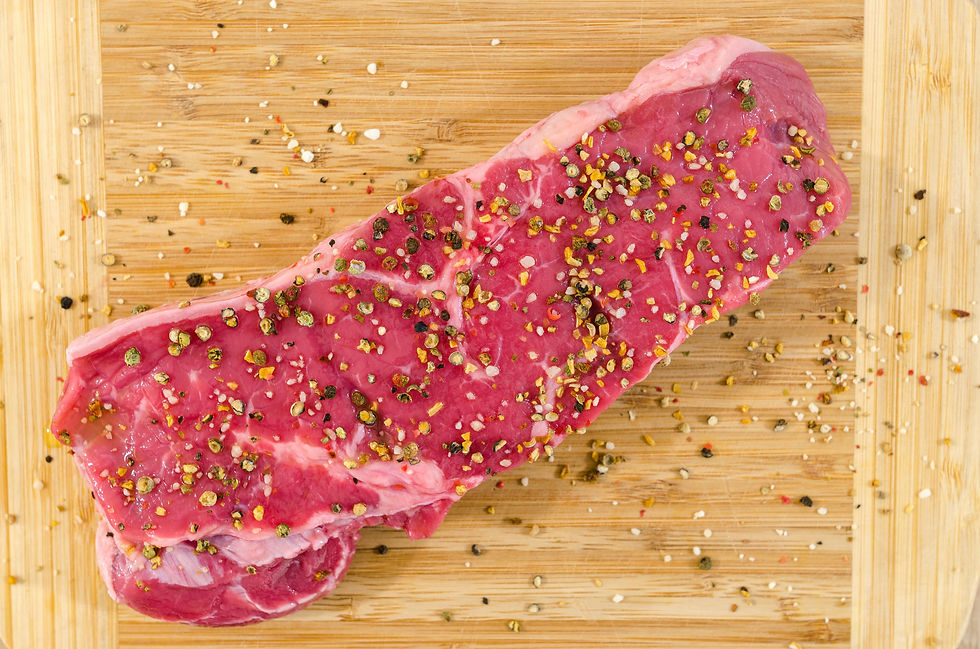
Protein is crucial for maintaining muscle mass, especially as we age. It also helps keep you full and stabilizes blood sugar levels. Include a source of protein in every meal:
Lean meats: Chicken, turkey, and lean cuts of beef.
Plant-based proteins: Beans, lentils, quinoa, and tofu.
Dairy or dairy alternatives: Greek yoghurt, cottage cheese, or fortified plant-based milk.
5. Stay Hydrated
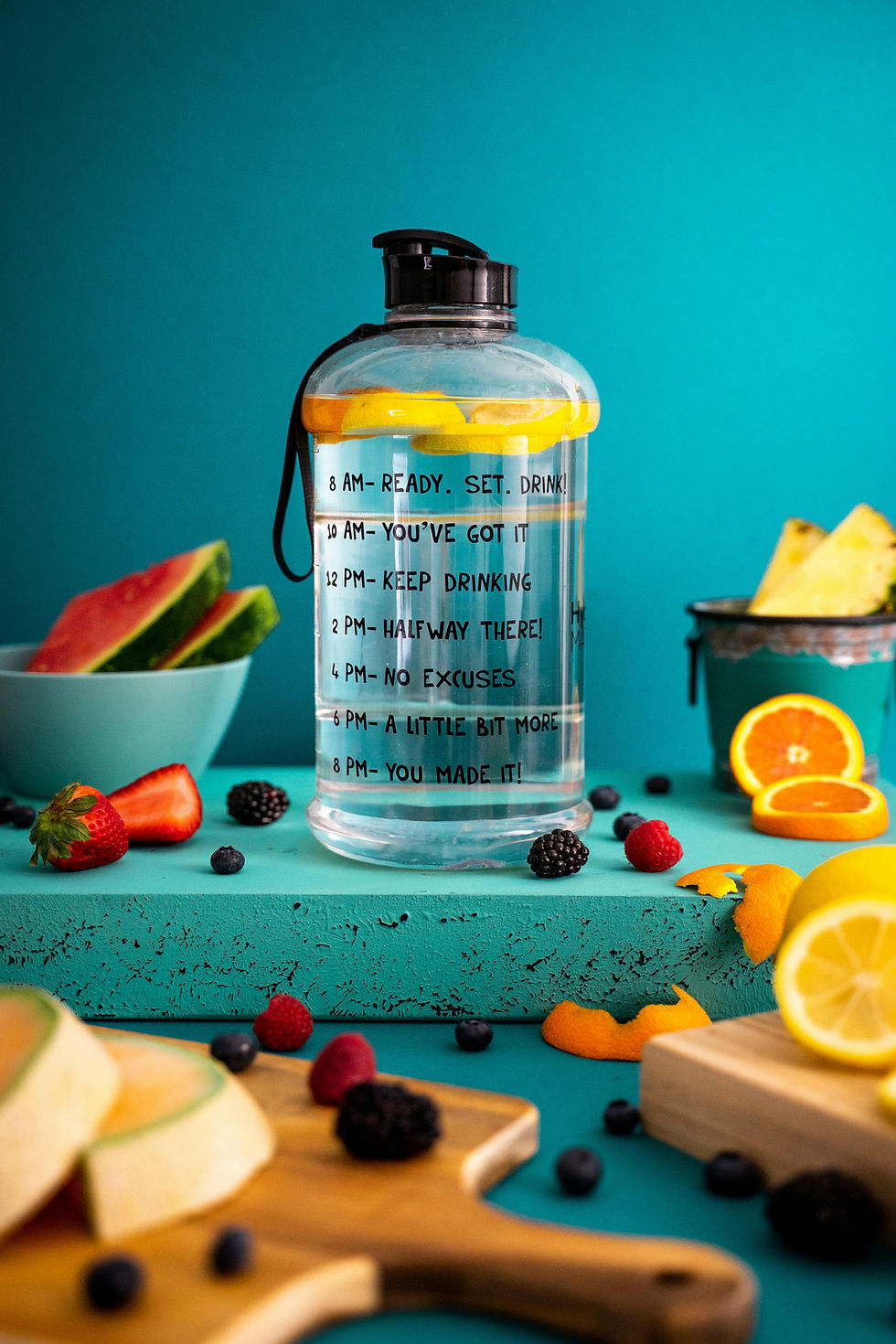
Hydration is key to overall health and can help manage symptoms like hot flashes. Aim to drink at least 2 litres of water a day. Herbal teas and water-rich fruits and vegetables, such as cucumbers and watermelon, also contribute to your daily hydration needs.
6. Limit Processed Foods and Sugars
Processed foods and sugars can lead to blood sugar spikes and crashes, exacerbating mood swings and energy levels. Opt for whole foods and natural sweeteners:
Whole grains: Brown rice, quinoa, and oats.
Natural sweeteners: Honey, maple syrup, and fruit.
7. Boost Your Fibre Intake
Fibre supports digestive health and can help balance hormones by promoting the elimination of excess estrogen. Incorporate a variety of high-fibre foods:
Whole grains: Barley, bulgur, and whole wheat.
Vegetables: Artichokes, carrots, and Brussels sprouts.
Fruits: Apples, pears, and avocados.

8. Consider Supplements
Sometimes, diet alone may not provide all the necessary nutrients. Consider these supplements after consulting with a healthcare provider:
Vitamin D: Supports bone health and immune function.
Calcium: Essential for bone density, especially post-menopause.
Magnesium: Helps with sleep and muscle relaxation.
B Vitamins: Supports energy levels and brain health.
9. Mindful Eating Practices
Mindful eating can improve digestion and help you tune into your body’s hunger and fullness cues. This practice involves:
Eating slowly and without distractions.
Savoring each bite and listening to your body’s signals.
Choosing foods that make you feel good both physically and emotionally.

10. Limit Alcohol and Caffeine
Both alcohol and caffeine can exacerbate menopausal symptoms like hot flashes and sleep disturbances. Try to limit these beverages and opt for herbal teas or water instead.

Embrace the Journey
Balancing hormones through nutrition is about creating a sustainable, enjoyable eating pattern that supports your body’s needs. By incorporating these tips, you can manage symptoms more effectively and enhance your overall quality of life during peri/menopause. Remember, every woman's journey is unique, so listen to your body and make adjustments that work best for you.
Join the Conversation
What are your favourite hormone-balancing foods? Share your tips and recipes in the comments below!
Feel free to share this post with anyone who might benefit from these nutrition tips. Together, we can navigate this transition with strength and grace.


Comments